
Introduction to Tax Filing in USA for Beginners
Understanding tax filing in USA for beginners may feel overwhelming at first, but this simple and proven guide will help you file taxes confidently, avoid costly mistakes, and maximize your tax refund fast, especially if this is your first time dealing with the IRS.
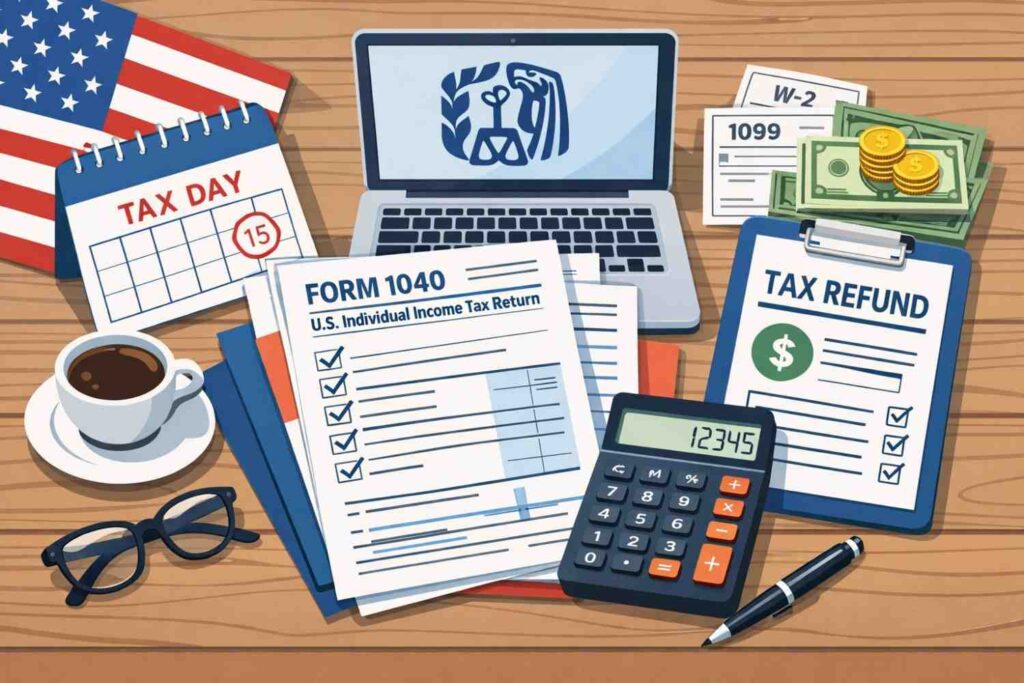 Many people think taxes are only for accountants or financial experts, but the truth is that most individuals can file their taxes themselves when they understand the basics. The United States uses a self-reporting tax system, which means you must report your income, calculate your tax, and submit the return each year. Learning how tax filing in USA for beginners works can help you avoid penalties, receive your tax refund faster, and make smarter financial decisions.
Every working individual in the United States contributes to the tax system. Taxes fund public services like roads, healthcare programs, education, national defense, and emergency services. So filing taxes is not just a legal requirement; it is also part of being a responsible resident. When beginners understand the tax filing process in the USA, the fear disappears and confidence grows.
What Is Tax Filing in the USA?
Tax filing in USA for beginners simply means reporting your yearly income and financial details to the Internal Revenue Service (IRS). The IRS is the government agency that collects taxes. You submit your information using official tax forms, mainly Form 1040, which is the standard individual income tax return form.
When you file taxes, you calculate:
- Total income you earned
- Taxes already paid through withholding
- Deductions that reduce taxable income
- Tax credits that reduce tax owed
At the end of the process, you either owe taxes or receive a tax refund. Many beginners actually get money back because too much tax was withheld from their paychecks during the year.
How to Save Money on a Low Salary in USA (Realistic Budgeting Tips for 2026)
Who Needs to File Taxes in the USA?
One of the biggest questions about tax filing in USA for beginners is whether filing is required. You generally must file a tax return if your income is above a certain limit set by the IRS. The limit depends on your age and filing status, such as Single, Married Filing Jointly, or Head of Household.
Even if you are not required to file, you should still consider filing if:
- Federal tax was withheld from your paycheck
- You qualify for tax credits like the Earned Income Tax Credit
- You want to receive a refund
For beginners, filing taxes can often mean getting money back rather than paying more.
Emergency Fund USA 2026: How Much Should You Save?
Important Tax Filing Deadlines
Understanding deadlines is a crucial part of tax filing in USA for beginners. Missing deadlines can lead to penalties and interest charges.
Federal Tax Deadline
The regular tax filing deadline is usually April 15 each year. If this date falls on a weekend or holiday, it may shift slightly.
Tax Extension Deadline
If you need more time, you can request an extension using Form 4868. This gives you until October 15 to file. However, an extension to file is not an extension to pay. If you owe taxes, you should still estimate and pay by April.
Documents Needed for Tax Filing
Proper preparation makes tax filing in USA for beginners much easier. Gather these documents before starting:
Personal Information
You need your Social Security Number (SSN) and SSNs for dependents.
Income Documents
Form W-2 from employers
Form 1099 for freelance or contract work
Bank interest statements
Deduction & Credit Proof
- Education expenses
- Childcare expenses
- Retirement contributions
Having documents ready helps beginners complete tax filing without stress.
Smart way to Tax Filing Process
Here is the practical roadmap for tax filing in USA for beginners:
Step 1 – Choose How to File
Beginners can use tax software, IRS Free File, a tax professional, or paper forms. Most people choose online filing because it reduces mistakes.
Step 2 – Fill Out Form 1040
Form 1040 is the heart of tax filing in USA for beginners. It includes income, deductions, and tax calculation.
Step 3 – Claim Deductions
Deductions reduce your taxable income. The standard deduction is the most common choice for beginners.
Step 4 – Claim Tax Credits
Credits directly reduce taxes owed. Popular credits include the Child Tax Credit and education credits.
Step 5 – Submit the Return
E-file your tax return and choose direct deposit for faster refunds.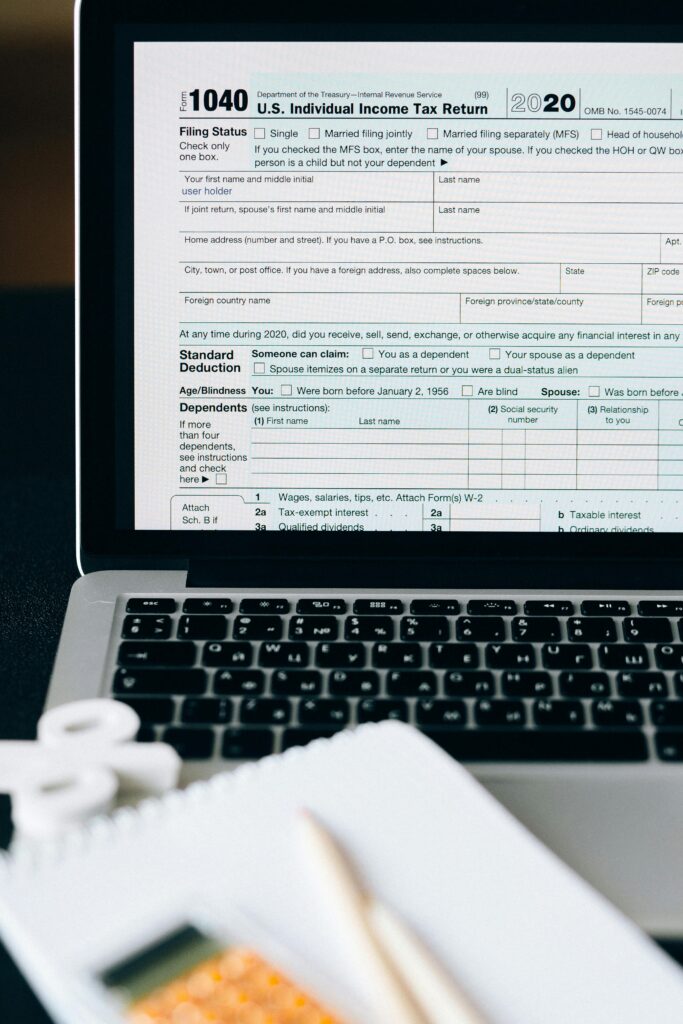
Safe and Secure Ways to File Taxes Online
In today’s digital world, tax filing in USA for beginners is much easier and safer when done online. The IRS encourages electronic filing because it is secure, fast, and more accurate than paper filing. Beginners often worry about safety, but official tax software uses strong encryption to protect your personal and financial information.
Using trusted platforms reduces the risk of identity theft, IRS delays, and costly filing errors. Always make sure you are using official IRS-approved services and avoid unknown websites that promise “guaranteed refunds.” A secure filing method helps you submit your tax return with confidence and receive your refund faster through direct deposit.
Understanding Tax Refunds
A tax refund happens when you paid more taxes than necessary during the year. Many people new to tax filing in USA for beginners are surprised to receive refunds. Refunds usually arrive within 21 days if you e-file and use direct deposit.
Smart Tips to Maximize Your Tax Refund Legally
One of the biggest benefits of tax filing in USA for beginners is the opportunity to legally maximize your tax refund. Many beginners miss out on money simply because they are unaware of deductions and credits available to them.
Simple strategies include:
- Claiming the full standard deduction
- Checking eligibility for Earned Income Tax Credit
- Reporting education expenses for tax credits
- Contributing to retirement accounts to lower taxable income
Being aware of these smart tax-saving strategies can mean the difference between a small refund and a bigger tax refund. Taking a few extra minutes to review deductions and credits can help you save money, reduce taxes, and avoid leaving free money with the IRS.
Common Tax Deductions for Beginners
Deductions play a big role in tax filing in USA for beginners:
- Standard Deduction
- Student loan interest
- Retirement contributions
These lower taxable income and reduce the tax bill.Tax deductions are a powerful way to legally reduce your taxes, save money, and increase your refund.
Important Tax Credits
Credits are even more powerful:
- Earned Income Tax Credit
- Child Tax Credit
- American Opportunity Credit
These directly reduce the tax you owe and can increase refunds.
Mistakes Beginners Should Avoid
During tax filing in USA for beginners, common mistakes include:
- Wrong SSN
- Math errors
- Missing income forms
- Forgetting to sign
- E-filing software helps reduce errors.
Benefits of Filing Taxes Correctly
Correct tax filing in USA for beginners ensures:
- Faster refunds
- No IRS penalties
- Accurate financial records
- Easier loan approvals
IRS Free File Program
The IRS Free File program allows eligible taxpayers to file federal taxes at no cost. It is ideal for beginners because it guides you step by step.
How Taxes Impact Your Financial Life
Understanding tax filing in USA for beginners improves financial awareness. You learn how income, savings, and investments affect taxes, which helps in long-term planning.
Missing tax deadlines can lead to serious IRS penalties, costly interest charges, and refund delays — something every beginner should avoid.
15 Critical Personal Finance Mistakes to Avoid today in USA
Frequently Asked Questions About Tax Filing in USA for Beginners
1. How do beginners start tax filing in USA?
Beginners can start tax filing in USA for beginners by collecting income documents like W-2 or 1099 forms, choosing IRS Free File or tax software, and filling out Form 1040 step by step. Online filing tools guide you through the entire process and reduce mistakes.
2. What documents are needed for tax filing in USA for beginners?
You need your Social Security Number, W-2 forms, 1099 income forms, bank interest statements, and proof of deductions like education expenses or retirement contributions. Having these ready makes tax filing in USA for beginners much easier.
3. What is the deadline for tax filing in the USA?
The regular federal tax deadline is April 15 each year. If you need more time, you can file for an extension until October 15, but any taxes owed must still be paid by April to avoid penalties.
4. Can beginners file US taxes online for free?
Yes. The IRS Free File Program allows eligible taxpayers to complete tax filing in USA for beginners at no cost using trusted tax software partners.
5. What is Form 1040 and why is it important?
Form 1040 is the main tax form used in tax filing in USA for beginners. It reports your income, deductions, credits, and calculates whether you owe taxes or receive a refund.
6. How long does it take to get a tax refund?
If you e-file and choose direct deposit, most refunds arrive within 21 days. Filing early and accurately helps avoid delays in tax filing in USA for beginners.
7. What happens if I miss the tax filing deadline?
You may face penalties and interest charges. Even beginners should file as soon as possible to reduce penalties. Filing an extension helps avoid the late filing penalty but not late payment fees.
8. What tax credits can beginners claim?
Common credits in tax filing in USA for beginners include the Earned Income Tax Credit, Child Tax Credit, and education credits. These credits directly reduce your tax bill and can increase your refund.
9. Do I need a tax professional as a beginner?
Most people can handle tax filing in USA for beginners using online tools. However, if you have business income, investments, or complex finances, a tax professional can help.
10. Why is tax filing important even if I owe nothing?
Filing taxes helps you stay compliant with IRS rules, qualify for refunds or credits, and maintain proper financial records needed for loans, visas, or government benefits.
Final Thoughts on Tax Filing in USA for Beginners
Learning tax filing in USA for beginners is an essential life skill. Once you understand income reporting, deductions, credits, and deadlines, the process becomes simple. Filing correctly not only keeps you legally compliant but can also put money back in your pocket through refunds and credits.
Leave a Reply