
Having a low credit score can feel like every financial door is closed. Loan approvals get denied. Interest rates become expensive. Even renting an apartment or qualifying for a phone plan can get harder. That is exactly why millions of Americans search for the best credit cards for bad credit every single month.
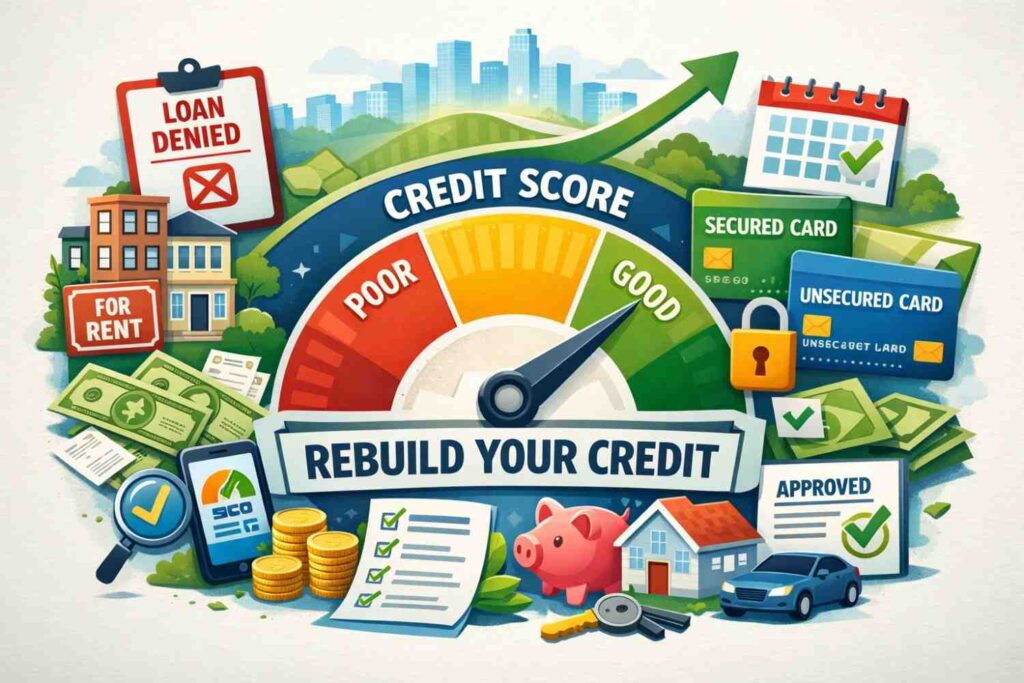
Bad credit is more common than people think. Medical bills, job loss, divorce, student loans, or unexpected emergencies can damage a credit score quickly. But here is the important truth — credit scores are not permanent. With the right financial tools and smart habits, you can rebuild.
The best credit cards for bad credit are not luxury products. They are rebuilding tools. These cards are designed for people who need a second chance. When used properly, they help build payment history, lower credit risk, and gradually increase your credit score.
This guide is a complete roadmap. You will learn how the best credit cards for bad credit work, how to choose the right one, the top cards available in the USA, mistakes to avoid, and a step-by-step plan to rebuild your credit profile safely.
What Is Considered Bad Credit in the United States
In the U.S., credit scores range from 300 to 850. Scores below 580 are classified as poor or bad credit. People in this category often struggle to get traditional loans or premium credit cards. Lenders see them as higher risk borrowers.
This is exactly where the best credit cards for bad credit play an important role. These cards are structured to give high-risk borrowers a safe entry point back into the credit system. Instead of focusing on rewards, they focus on rebuilding trust.
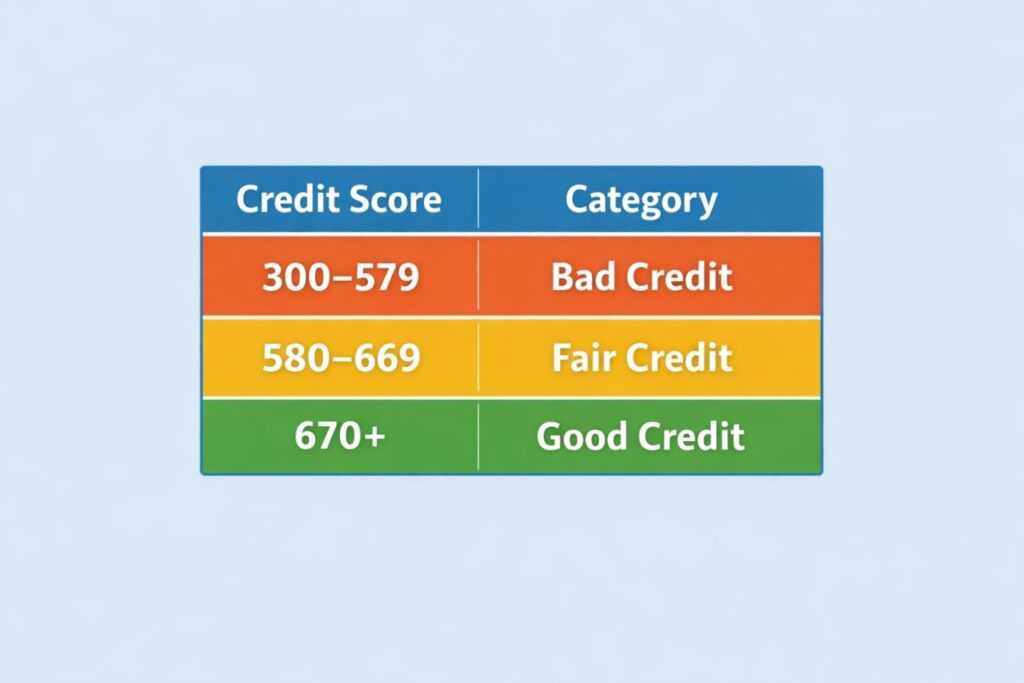
If your score falls in the first range, the best credit cards for bad credit are designed for you.
How to Build Credit Score in USA From Scratch 2026
How the Best Credit Cards for Bad Credit Improve Your Score
Your credit score depends mostly on payment history and credit utilization. Payment history makes up 35% of your score. Utilization makes up 30%. That means small, consistent actions make a big difference.
When you use the best credit cards for bad credit and pay on time every month, you build positive payment history. When you keep your balance low, you reduce credit risk. Over time, lenders begin to see you as responsible again.
Even small purchases like groceries or fuel, when paid on time, can help. The power of the best credit cards for bad credit lies in consistency, not spending more money.
Secured vs Unsecured Options Explained
Secured cards require a refundable deposit. That deposit becomes your credit limit. Because the bank holds your deposit, approval chances are much higher. This is why secured cards dominate the best credit cards for bad credit category.
Unsecured cards do not need deposits. But they usually have higher fees and interest rates. Approval is harder. For most beginners rebuilding credit, secured cards are safer and more effective.
Best Credit Cards for Bad Credit in the USA
Capital One Platinum Secured
Capital One Platinum Secured..This is one of the most recommended best credit cards for bad credit options. It offers low deposit flexibility, no annual fee, and automatic credit line reviews.It reports to all major bureaus, which is essential for rebuilding.
Discover it® Secured
This card stands out because it offers cashback rewards while helping rebuild credit. It includes free FICO score tracking and possible graduation to an unsecured card. It is rare to see rewards in the best credit cards for bad credit category.
OpenSky Secured Visa
OpenSky Secured Visa…,Ideal for very low credit scores. It does not require a credit check. Approval is easier than most cards, making it useful for starting fresh with the best credit cards for bad credit strategy.
Credit One Bank Platinum Visa
An unsecured option designed for rebuilding credit. It may include fees, but it still helps build payment history.
Best Credit Cards in USA 2026: Top Rewards, Cashback, Travel & Low APR Cards
Step-by-Step Plan to Rebuild Credit
Start by applying for only one of the best credit cards for bad credit. Use the card for small purchases each month. Keep your balance under 30% of your limit. Pay your bill before the due date every single time.
Do not close the card after a few months. Length of credit history matters. Monitor your credit report for errors. This disciplined approach makes the best credit cards for bad credit powerful rebuilding tools.
Common Mistakes That Slow Credit Recovery
Missing payments is the biggest mistake. High balances are another. Applying for too many cards in a short time creates multiple hard inquiries. Closing old accounts shortens your history.
Even the best credit cards for bad credit cannot help if these habits continue. Credit rebuilding requires patience and consistency.
15 Critical Personal Finance Mistakes to Avoid today in USA
How Long Until Your Credit Score Improves
Most people see their account reported within one month. Small improvements may appear in 3 months. Noticeable increases often happen by 6 months. Major improvements can occur within 12 months of proper use of the best credit cards for bad credit.
Who Should Use These Cards
Students with no credit history benefit greatly. Immigrants building U.S. credit profiles also benefit. People recovering from bankruptcy or medical debt can use the best credit cards for bad credit as financial rebuilding tools.
How to Get Approved for a Credit Card When Your Score Is Low
Getting approved with a poor credit history is possible if you approach it smartly.
Start by checking your credit report for errors. Many people have outdated collections or wrong late payments affecting their score. Fixing mistakes alone can improve approval chances.
Choose cards meant for rebuilding, not premium rewards cards. Secured cards are often easier because your deposit lowers the bank’s risk.
Apply for one card at a time. Multiple applications in a short period can hurt your score and make lenders cautious.
Even stable income from part-time work or self-employment helps. Lenders want to see that you can manage monthly payments consistently.
Chase Sapphire Reserve vs Amex Platinum 2026:Which is Better
How Much Should You Use Your Card Each Month?
A common mistake people make while rebuilding credit is overspending.
You do not need to use the full credit limit. In fact, using a small portion of your limit is better.
If your limit is $300, try to keep your balance below $60–$90.
This shows lenders that you are not dependent on credit and can manage money responsibly.
Small purchases paid on time each month are enough to build positive history.
How to Save Money on a Low Salary in USA (Realistic Budgeting Tips for 2026)
Why Credit Utilization Matters So Much
Credit utilization simply means how much of your available credit you are using.
High balances can lower your score, even if you pay on time.
Keeping your usage low signals financial stability.
Experts recommend staying below 30%, but below 10% is even stronger.
This single factor plays a big role in how your credit score changes over time.
How Secured Cards Can Turn Into Regular Cards
Many secured cards offer a path to upgrade.
After several months of on-time payments, issuers review your account.
If your usage and payment history look good, your deposit may be refunded.
Your account can transition into a standard unsecured card.
This step is a strong sign that your credit profile is improving.
How Rebuilding Credit Helps in Real Life
Better credit affects more than just loans.
You may qualify for lower car loan interest rates.
Landlords may approve rentals more easily.
Insurance premiums can be lower.
Future mortgage approvals become possible.
Small steps today create big financial freedom later.
How to Monitor Your Credit Without Paying
You do not need to pay to track progress.
You can check your credit reports for free once a year from official sources.
Many banks and credit card issuers also offer free score tracking tools.
Review your report regularly to catch errors or fraud.
Monitoring keeps you informed and motivated.
When Is the Right Time to Apply for a Better Card?
Give your rebuilding process time.
Six months of perfect payments can already show progress.
If your score improves significantly, you can explore better options with lower interest or rewards.
Applying too soon may lead to rejection, which can slow progress.
Patience improves approval odds.
Best Side Hustles in 2026 – High-Income Ideas to Earn Money
Warning Signs to Watch Out For
Some cards marketed to low-credit users charge high fees.
Watch for monthly maintenance charges.
Avoid cards that do not report to all major credit bureaus.
Hidden fees can cancel the benefits of rebuilding.
Choose simple, transparent options focused on credit improvement.
The Emotional Side of Credit Recovery
Financial stress can affect confidence and peace of mind.
Watching your score slowly rise can feel encouraging.
Each on-time payment is proof that you are moving forward.
Credit rebuilding is not just financial repair — it builds personal confidence too.
Frequently Asked Questions
1. Can I get approved for a credit card with a very low credit score?
Yes, many secured credit cards are designed for people with poor or limited credit history. Approval is often easier because a refundable deposit reduces risk for the issuer.
2. How fast can my credit score improve after opening a card?
Some people see small changes in 2–3 months. Noticeable improvement usually takes 6 months of on-time payments and low balances.
3. Is a secured credit card better than an unsecured one for rebuilding credit?
For most people with low scores, secured cards are safer and easier to get. They also help build payment history just like regular cards.
4. How much of my credit limit should I use?
Try to keep your balance below 30% of your limit. Staying closer to 10% can be even better for improving your credit score.
5. Do credit-building cards really report to credit bureaus?
Yes, most reputable issuers report monthly activity to major credit bureaus. This reporting is what helps improve your credit history.
6. Will applying for multiple cards increase my approval chances?
No, applying for many cards in a short time can hurt your score due to multiple hard inquiries. It’s better to apply for one suitable card.
7. Can I upgrade to a regular credit card later?
Many secured card issuers review accounts after 6–12 months. With good payment history, you may qualify for an unsecured upgrade.
8. Should I carry a balance to build credit?
No, carrying a balance does not help your score. Paying your bill in full each month is healthier and avoids interest charges.
9. What happens if I miss a payment?
A missed payment can lower your score and stay on your credit report for years. Setting reminders or autopay helps avoid this mistake.
10. Can rebuilding credit help me qualify for loans later?
Yes, a stronger credit history can help you get approved for car loans, personal loans, and even mortgages at better interest rates.
Conclusion
Rebuilding your credit may feel overwhelming at first, but it is absolutely possible with the right approach. A low credit score does not define your future. It simply reflects past financial challenges, and those can be corrected over time with consistent, responsible habits.
Credit-building cards are tools meant to help you restart, not overspend. Using them for small purchases, keeping balances low, and paying on time every month can slowly rebuild lender trust. These simple actions, repeated consistently, create real progress.
Patience is important. Credit recovery is not instant, but steady improvement can happen within months. As your score improves, better financial opportunities start opening up — from lower interest rates to easier loan approvals.
The key is discipline, awareness, and smart usage. One good payment at a time, you move closer to financial stability and greater confidence. Your credit story is still being written, and the steps you take today can shape a stronger financial future.
Leave a Reply